
Fermented Beet Kvass
If you’re looking to boost your gut health naturally, fermented beet kvass might be your new go-to tonic. Made from just three simple ingredients — beets, salt, and water — this vibrant, probiotic-rich drink offers a host of health benefits. Whether you’re new to fermentation or a seasoned fermenter, this guide will walk you through the step-by-step process, share tips, and highlight the benefits of fermented foods and beets alike.
What Is Beet Kvass?
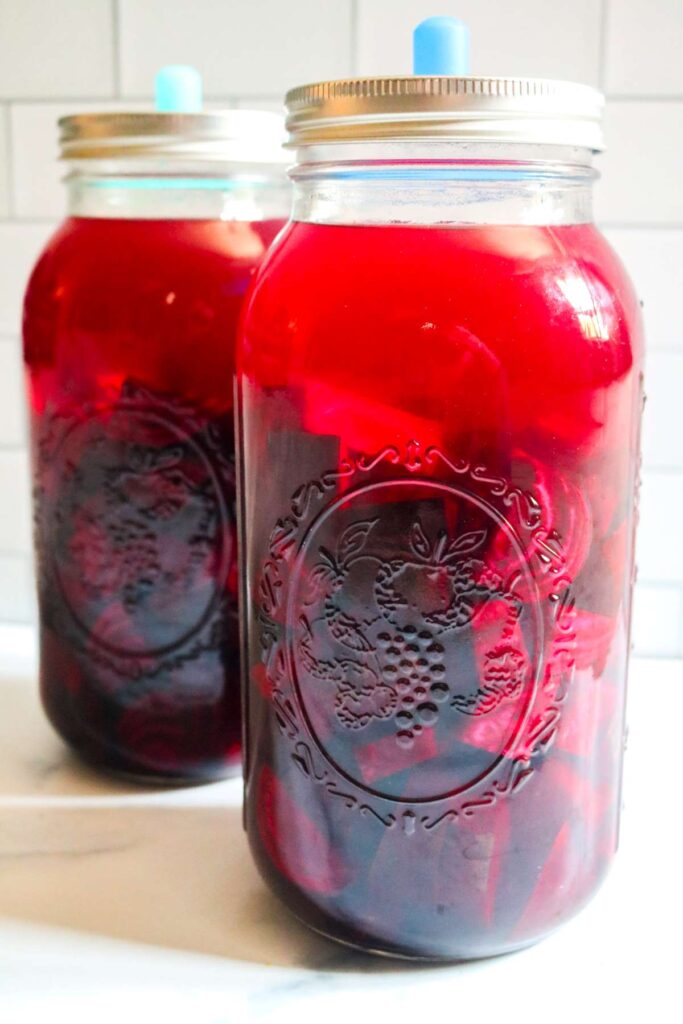
Beet kvass is a traditional Eastern European fermented beverage made by culturing beets in a salt brine. Over several days, the natural bacteria on the beets convert sugars into lactic acid, creating a tangy, slightly earthy drink packed with beneficial probiotics.
Health Benefits of Fermented Foods
Before we get into the recipe, let’s talk about why fermented foods like beet kvass deserve a place in your diet:
- Supports digestive health: Fermented foods are rich in probiotics, which help balance the gut microbiome.
- Enhances nutrient absorption: A healthy gut allows for better absorption of vitamins and minerals.
- Boosts immunity: Up to 70% of the immune system resides in the gut.
- Reduces inflammation: Fermentation can produce anti-inflammatory compounds.
- Improves mood: Gut health is linked to mental health through the gut-brain axis.
Health Benefits of Beets
Beets on their own are already a nutritional powerhouse. Fermenting them takes their benefits to the next level:
- Rich in antioxidants: Beets contain betalains, compounds known for their anti-inflammatory and detoxifying effects.
- Supports liver health: Beets promote bile flow, which aids liver detoxification.
- Boosts stamina: Beets improve blood flow and oxygen delivery thanks to their high nitrate content.
- Regulates blood pressure: The natural nitrates in beets can help lower blood pressure.
- Great for digestion: Fermentation enhances the beet’s natural fiber and enzyme content.
Tools You’ll Need
To make fermented beet kvass, you don’t need any fancy equipment. Here’s what you’ll need:
- Cutting board and knife: For prepping the beets.
- 1-quart glass jar (like a Mason jar): Avoid plastic or metal.
- Fermentation weight (optional): Keeps beets submerged.
- Lid or airlock system: For sealing the jar.
- Measuring spoons: For accurate salt measurement.
Ingredients
This basic recipe makes one quart (approximately 4 cups) of beet kvass.
- 2–3 medium organic beets, peeled and chopped into ½-inch cubes
- 1 teaspoon sea salt (non-iodized; avoid table salt)
- Filtered water (enough to fill the jar, about 3–4 cups)
Step-by-Step Instructions
Step 1: Prepare the Beets
- Wash and peel the beets.
- Chop into ½-inch cubes. Avoid grating them — smaller pieces ferment too quickly and may create alcohol instead of lactic acid.
Step 2: Fill the Jar
- Place the chopped beets in a clean 1-quart glass jar, filling it about ⅓ to ½ full.
- Add the teaspoon of sea salt.
Step 3: Add Water
- Fill the jar with filtered water, leaving at least 1 inch of headspace at the top.
- Stir with a wooden spoon to dissolve the salt.
Step 4: Weigh It Down
- If you have a fermentation weight, place it on top of the beets to keep them submerged. This helps prevent mold.
Step 5: Seal the Jar
- Use a tight-fitting lid or a fermentation lid with an airlock. Store at room temperature (65–75°F) out of direct sunlight.
Step 6: Ferment
- Let the kvass sit for 5–7 days. Check daily for bubbles or a slightly sour smell — these are signs of fermentation.
- Taste it around day 5. If it’s tangy enough for you, it’s done.
Step 7: Strain and Store
- Once fermented to your liking, strain the liquid into a clean glass bottle or jar.
- Store in the refrigerator for up to 2 weeks.
Tips for Success
- Use organic beets: Conventional beets may carry pesticide residue, which can affect fermentation.
- Avoid iodized salt: Iodine can inhibit beneficial bacteria.
- Use filtered water: Chlorine in tap water can kill fermentation microbes.
- Watch for mold: A white film (kahm yeast) is harmless, but green, black, or fuzzy mold means it’s time to toss it.
- Keep beets submerged: This prevents exposure to air and reduces contamination risk.
- You can reuse the beets once for a second batch. Just refill the jar with brine and ferment again for 3–5 days
FAQ: Fermented Beet Kvass
1. What does fermented beet kvass taste like?
Beet kvass has a slightly tangy, earthy flavor with a subtle saltiness. The taste can vary depending on the duration of fermentation.
2. Is it alcoholic?
No. When fermented properly, beet kvass contains only trace amounts of alcohol — typically less than 0.5%.
3. Can I flavor it?
Yes! Add ingredients like ginger, garlic, lemon, or herbs to enhance the flavor profile during fermentation.
4. How long does beet kvass last in the fridge?
Stored in a sealed container, it lasts for up to 2 weeks, though the flavor may become more sour over time.
5. Can I drink too much?
Yes. Start with small amounts (2 oz/day) and build up. Too much may cause digestive upset initially.
Fermented beet kvass is a simple, powerful way to add probiotics and nutrients to your diet using just beets, salt, and water. It’s easy to make at home, budget-friendly, and endlessly customizable. Whether you’re seeking better gut health, more energy, or want to try a new DIY project, fermented beet kvass is worth a spot in your kitchen.
Fermented Beet Kvass
If you’re looking to boost your gut health naturally, fermented beet kvass might be your new go-to tonic. Made from just three simple ingredients — beets, salt, and water — this vibrant, probiotic-rich drink offers a host of health benefits.
Ingredients
- 2–3 medium organic beets, peeled and chopped into ½-inch cubes
- 1 teaspoon sea salt (non-iodized; avoid table salt)
- Filtered water (enough to fill the jar, about 3–4 cups)
Instructions
- Wash and peel beets
- Chop into bite-sized cubes
- Place beets into quart-size mason jar
- Add in the 1 teaspoon of salt
- Pour in water over beets and salt, filling all the way to the top of the jar
- Sir, with a wooden spoon
- Add fermentation weight if using
- Place a lid loosely, or use a fermentation lid
- Let the beet kvass sit for 3-5 days
- Once fermented to liking, use a mesh strainer and strain the beet kvass into a bowl
- Pour beet kvass into a clean jar and store in the refrigerator for up to 2 weeks
Notes
You can reuse the beets and ferment again one more time by just adding more salt and water to the jar.
